In today’s competitive retail landscape, creating an inviting, functional, and visually striking showroom or retail space is essential for attracting customers and boosting sales. Commercial steel buildings (also known as pre-engineered metal buildings or prefab steel structures) have become a top choice for modern showrooms, automotive dealerships, boutique stores, flagship retail outlets, and multi-tenant shopping centers. These structures combine durability, speed of construction, cost efficiency, and unparalleled design flexibility—making them ideal for businesses that want to stand out while controlling budgets.
This guide explores why steel buildings excel for modern retail and showroom applications, key design considerations, and practical tips to create spaces that enhance customer experience and brand identity.
Why Choose Steel Buildings for Modern Showrooms and Retail Spaces?
Steel-framed commercial buildings offer distinct advantages over traditional construction methods like concrete or wood framing:
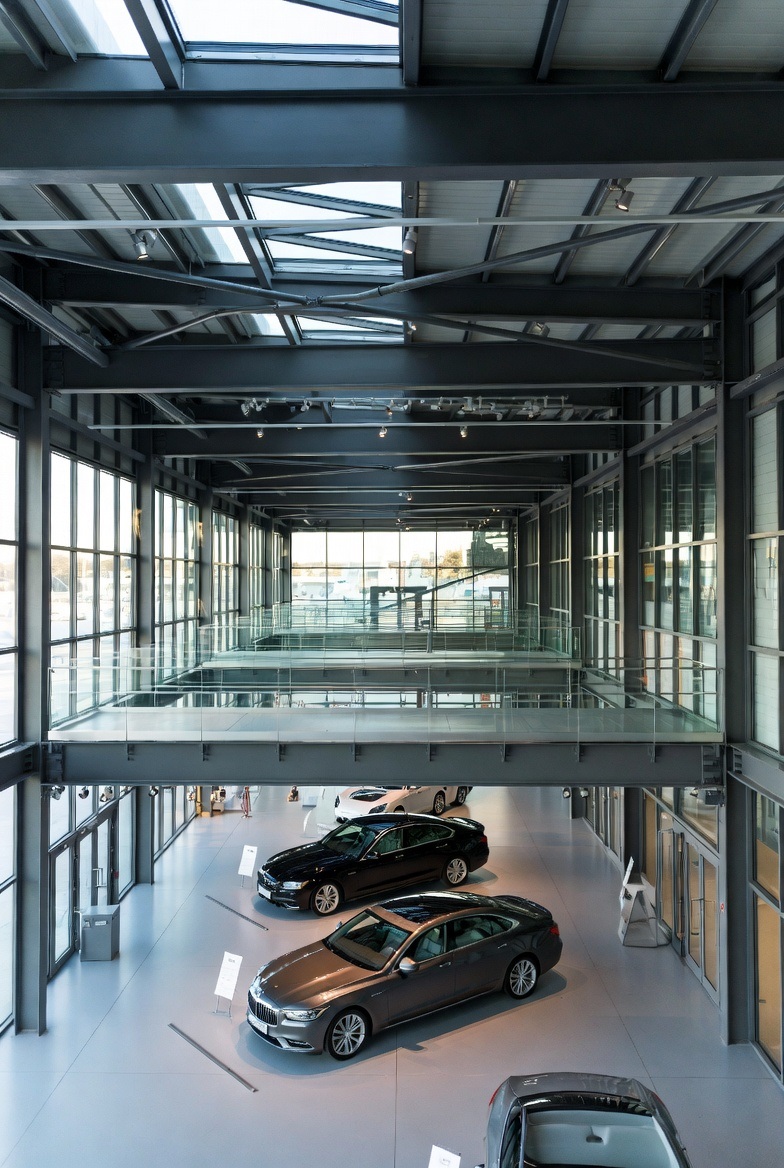
- Clear-Span Design and Open Interiors Pre-engineered steel allows for wide, column-free spans (up to 150+ feet in many cases), creating expansive, unobstructed floor plans. This is perfect for vehicle showrooms (e.g., car dealerships displaying Ford Ranger or Tesla models), high-end retail displays, or open-concept shopping floors where customers can move freely and products are showcased dramatically.
- Rapid Construction and Minimal Disruption Prefabricated components are manufactured off-site and assembled quickly on location—often 30-50% faster than conventional builds. For retail businesses, this means faster opening dates, reduced lost revenue, and less impact on surrounding operations.
- Cost-Effectiveness Lower material and labor costs, reduced foundation requirements, and energy-efficient options translate to significant savings. Steel buildings typically offer a lower cost per square foot while delivering long-term value through minimal maintenance.
- Durability and Low Maintenance Steel resists pests, rot, warping, and fire better than wood. With proper coatings and galvanization, it withstands harsh weather, making it ideal for high-traffic retail environments.
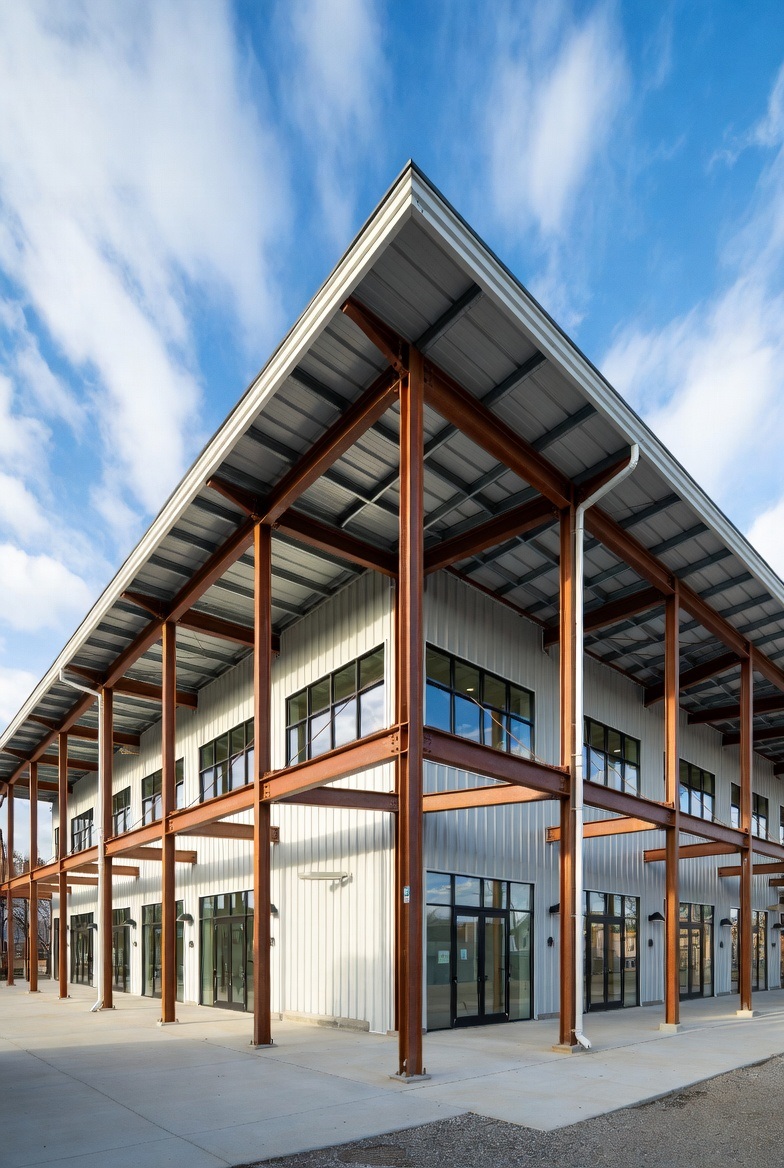
- Customization and Aesthetic Appeal Modern steel buildings can look sleek and contemporary—not industrial. Integrate large glass storefronts, curtain walls, insulated metal panels (IMPs), brick accents, wood cladding, or colorful facades to match your brand.
- Sustainability and Energy Efficiency Steel is recyclable, and buildings can incorporate high-R-value insulation, skylights, LED lighting, and solar-ready roofs to meet green building standards and lower utility bills.
These benefits make steel structures especially popular for automotive dealerships, furniture showrooms, electronics stores, luxury boutiques, and experiential retail spaces.
Key Design Considerations for Modern Showrooms and Retail Spaces
To maximize the potential of a steel building for retail or showroom use, focus on these critical elements during the planning phase:
- Layout and Flow Optimization
- Prioritize customer journey: Design wide aisles, strategic product zones, interactive display areas, and clear sightlines to featured items.
- Include flexible zones for pop-up events, seasonal displays, or future reconfiguration.
- For showrooms, allocate space for high-visibility display platforms, demo areas, and customer lounges.
- Facade and Storefront Integration
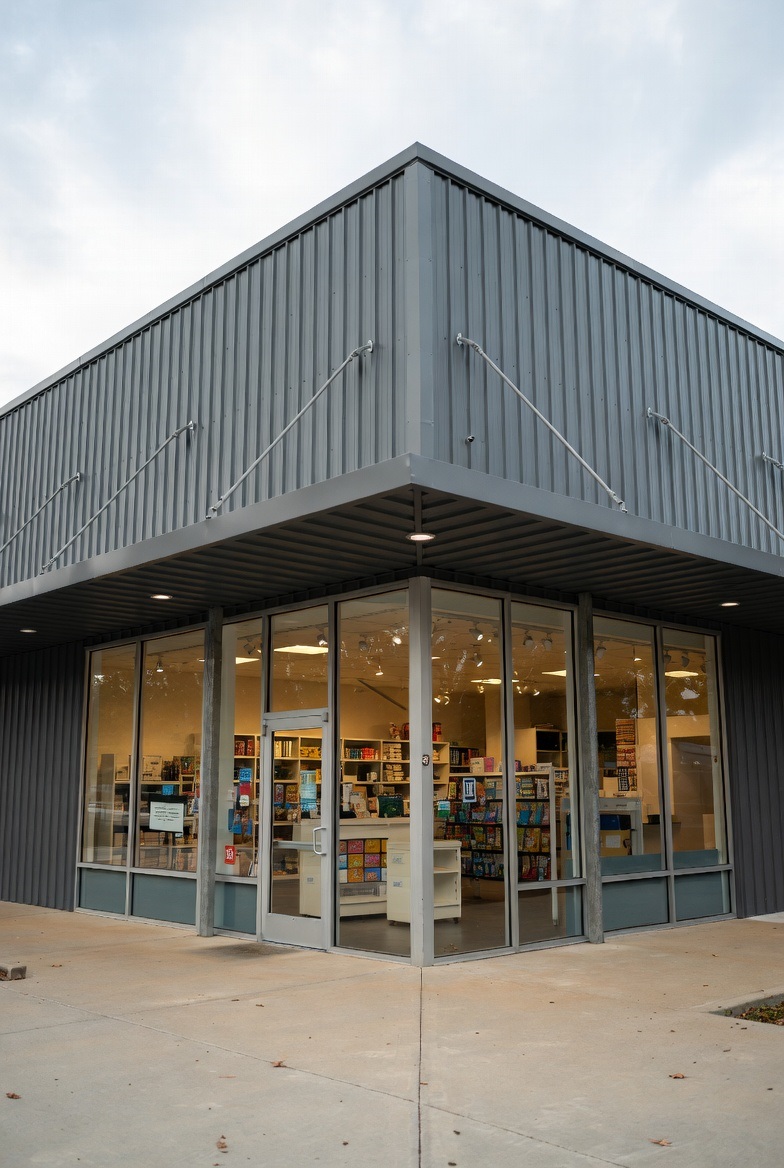
- Use large glass curtain walls or floor-to-ceiling windows to create an inviting exterior that draws in foot traffic.
- Combine steel framing with premium finishes like aluminum composite panels, stone veneer, or illuminated signage for a modern, upscale look.
- Incorporate branded elements: Custom entry canopies, LED accents, or architectural features that reflect your identity.
- Lighting and Daylighting
- Maximize natural light with skylights, clerestory windows, or translucent panels to reduce energy costs and create a bright, welcoming atmosphere.
- Layer ambient, accent, and task lighting for product highlighting—especially important in showrooms where visuals drive sales.
- Ceiling Height and Volume
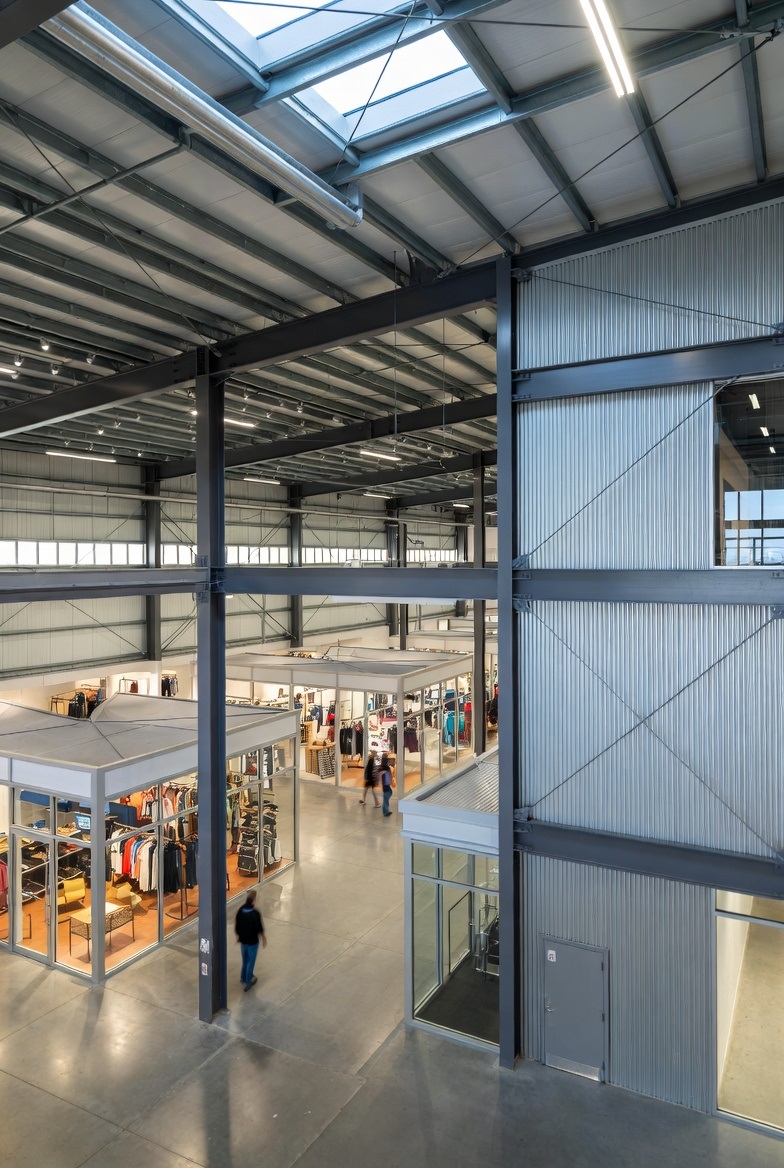
- Opt for high ceilings (16–30 feet or more) to accommodate dramatic displays, hanging signage, or even mezzanines for additional retail space or offices.
- This sense of openness enhances perceived value and allows for creative installations.
- HVAC, Insulation, and Energy Efficiency
- Choose insulated metal panels and proper sealing to maintain comfortable temperatures in large open areas.
- Plan for zoned HVAC systems to handle varying occupancy and product requirements (e.g., climate-controlled zones for sensitive electronics).
- Accessibility and Compliance
- Ensure ADA-compliant entrances, wide pathways, restrooms, and parking integration.
- Meet local building codes for wind/snow loads, fire ratings, and seismic considerations.
- Future-Proofing
- Design with expansion in mind—steel frames make additions straightforward.
- Include provisions for EV charging stations, smart tech integration, or hybrid retail/service models.
Real-World Examples and Inspiration
Many successful projects demonstrate steel’s versatility:
- Automotive dealerships use clear-span steel for massive showrooms with glass fronts and service bays tucked behind.
- Retail chains create flagship stores with bold, modern exteriors that blend steel with glass and accents.
- Boutique showrooms leverage high ceilings and open plans for immersive brand experiences.
Conclusion: Build a Showroom That Sells
Commercial steel buildings offer the perfect foundation for designing modern showrooms and retail spaces—combining structural strength with creative freedom. Whether you’re launching a new dealership, expanding a retail chain, or creating an experiential flagship store, steel construction delivers speed, savings, durability, and aesthetics that drive business success.
Ready to transform your vision into reality? Consult with a pre-engineered metal building specialist to customize a design that aligns with your brand, budget, and goals. The right steel building isn’t just a structure—it’s a powerful tool for customer engagement and long-term profitability.