
Get Free Consultation!
We are ready to answer right now! Sign up for a free consultation.
I consent to the processing of personal data and agree with the user agreement and privacy policy
We are ready to answer right now! Sign up for a free consultation.
I consent to the processing of personal data and agree with the user agreement and privacy policy

In the fast-evolving world of modern construction, steel structures have become a cornerstone for architects, engineers, and developers. From towering skyscrapers and expansive industrial warehouses to sustainable commercial buildings and resilient infrastructure, structural steel offers unmatched performance. As of 2026, with growing emphasis on speed, sustainability, and resilience against climate challenges, steel remains the material of choice. Below, we explore the key advantages of steel structures in contemporary building projects.
Steel boasts an impressive high strength-to-weight ratio, allowing it to support massive loads while using less material than alternatives like concrete or wood. This makes steel ideal for high-rise buildings, long-span bridges, and open-plan industrial facilities.
Longevity: Properly designed and coated steel structures can last 50–100+ years with minimal degradation.
Resistance: Steel withstands extreme weather (high winds, heavy snow, hurricanes), seismic activity, fire (non-combustible nature), pests, rot, and corrosion when galvanized or treated.
In seismic zones, steel’s ductility absorbs and dissipates energy effectively, reducing structural damage during earthquakes.
These qualities translate to lower long-term maintenance costs and enhanced safety for occupants.
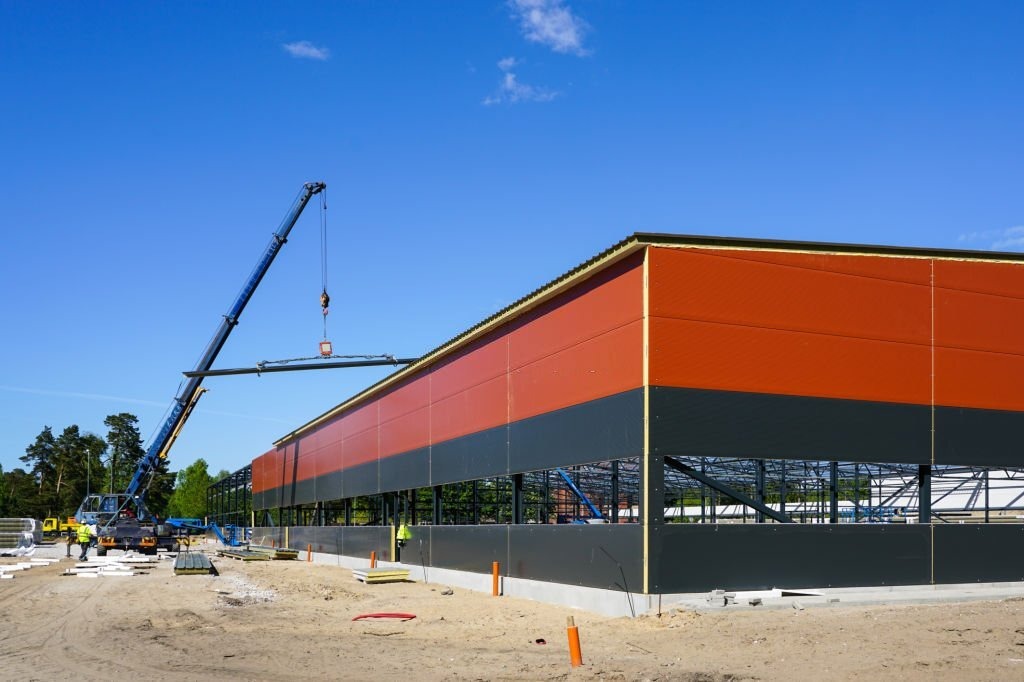
One of the most significant benefits of steel structures is rapid assembly. Components are prefabricated off-site in controlled factories, then bolted or welded on-site.
Reduced timelines: Steel erection can cut construction time by 30–50% compared to traditional methods, minimizing labor costs and weather delays.
Prefabrication: Enables precise quality control and less on-site waste.
For commercial and industrial projects, faster completion means quicker occupancy and revenue generation.
In 2026, with supply chain optimizations and modular techniques, steel continues to dominate time-sensitive developments.

While initial material costs may vary, steel delivers strong return on investment (ROI) through:
Lower labor and equipment needs during erection.
Reduced foundation requirements (due to lighter weight).
Minimal maintenance (no rot, pests, or frequent repairs).
Potential insurance savings from fire resistance and durability.
Studies show steel framing often costs 5–7% less than wood or concrete equivalents, with long-term savings amplifying the advantage.
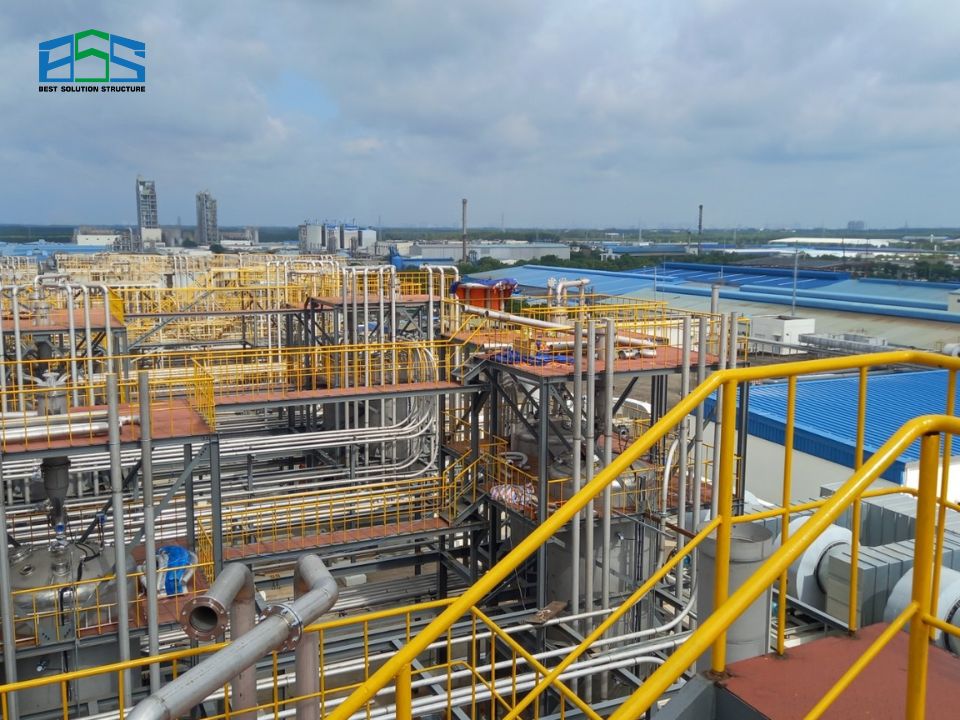
Steel’s malleability allows for innovative and creative architectural designs:
Open floor plans: Long spans without intermediate columns create flexible spaces for offices, warehouses, stadiums, or retail.
Aesthetic options: Exposed steel beams, curved forms, and modern finishes enhance visual appeal.
Adaptability: Structures can be easily expanded, modified, or repurposed as needs change—ideal for evolving businesses.
This versatility supports everything from eco-friendly green buildings to iconic high-rises.
In an era prioritizing green construction, steel stands out for its eco-friendly profile:
Recyclability: Steel is 100% recyclable without quality loss—over 90% of structural steel is recycled globally.
Lower embodied carbon: Modern production (e.g., electric arc furnace methods) reduces emissions; recycled steel cuts GHG by up to two-thirds.
Energy efficiency: Lightweight design enables better insulation integration, reducing operational energy use.
Resource efficiency: Less material needed per square foot means reduced raw material extraction.
As sustainability regulations tighten in 2026, steel’s role in low-carbon buildings grows stronger.
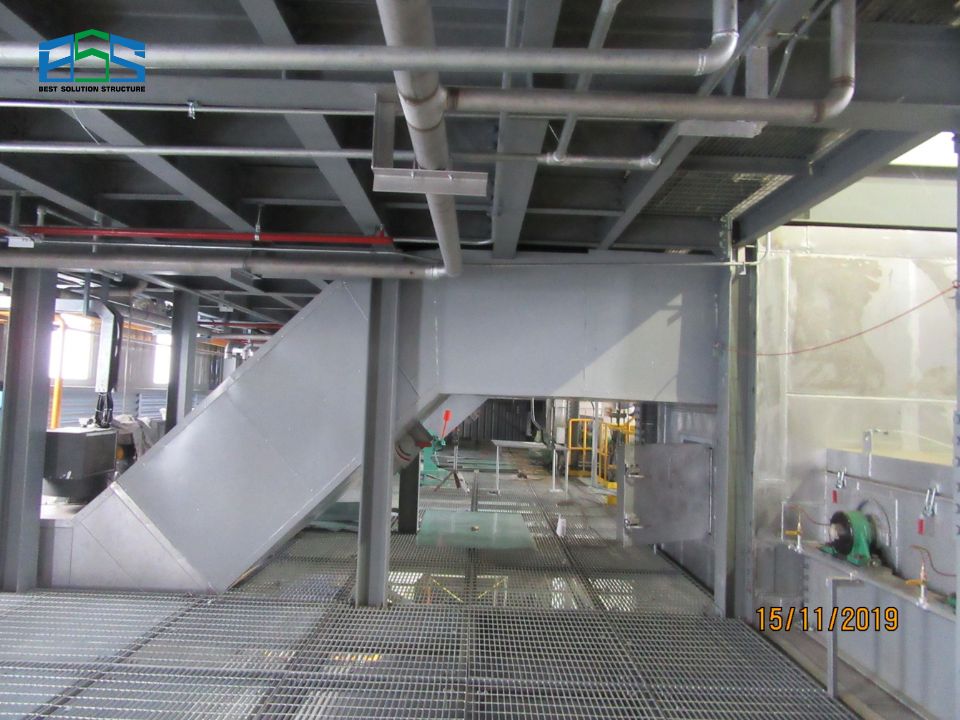
Steel structures excel in risk-prone environments:
Fire resistance (does not contribute fuel; maintains integrity longer).
Seismic performance (ductile behavior prevents sudden collapse).
Wind and extreme weather tolerance.
These features lower risks, protect investments, and align with stricter building codes.
Conclusion: Why Steel is the Future of Modern Construction
The advantages of steel structures—superior strength, speed, cost savings, design freedom, sustainability, and resilience—make them indispensable in today’s construction landscape. Whether for commercial, industrial, residential, or infrastructure projects, steel delivers efficiency, safety, and long-term value.
As the industry moves toward greener, faster, and more adaptable solutions in 2026 and beyond, steel structures remain a proven, forward-thinking choice. If you’re planning a project, consult structural engineers to leverage these benefits fully.
