
Get Free Consultation!
We are ready to answer right now! Sign up for a free consultation.
I consent to the processing of personal data and agree with the user agreement and privacy policy

We are ready to answer right now! Sign up for a free consultation.
I consent to the processing of personal data and agree with the user agreement and privacy policy
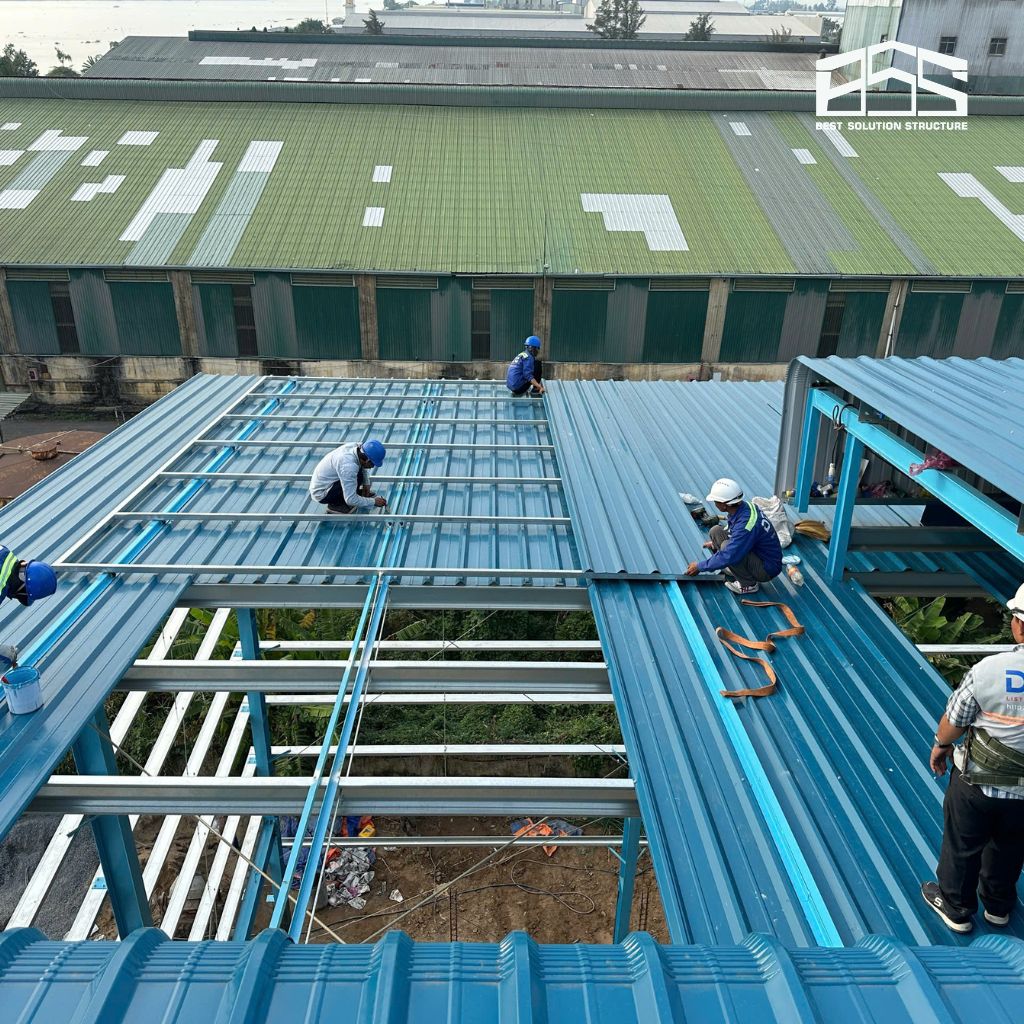
Steel structures represent one of the most versatile and widely used building systems in modern construction and engineering. From towering skyscrapers and expansive bridges to industrial warehouses and residential homes, steel provides exceptional strength, durability, and design flexibility. In this comprehensive guide, we explore the basics of steel structures, their key types, advantages, and diverse real-world applications.
A steel structure is a load-bearing framework composed of steel components—such as beams, columns, trusses, girders, plates, and connections—that are assembled through welding, bolting, or riveting. These elements work together to resist various forces (dead loads, live loads, wind, seismic, snow, etc.) and transfer them safely to the foundation.
Structural steel is typically manufactured from carbon steel alloys (often recycled scrap steel melted in electric arc furnaces) and shaped into standardized profiles like I-beams (W-sections), H-sections, channels, angles, hollow structural sections (HSS), and plates. The material is chosen for its high strength-to-weight ratio, ductility, uniformity, and ease of fabrication.
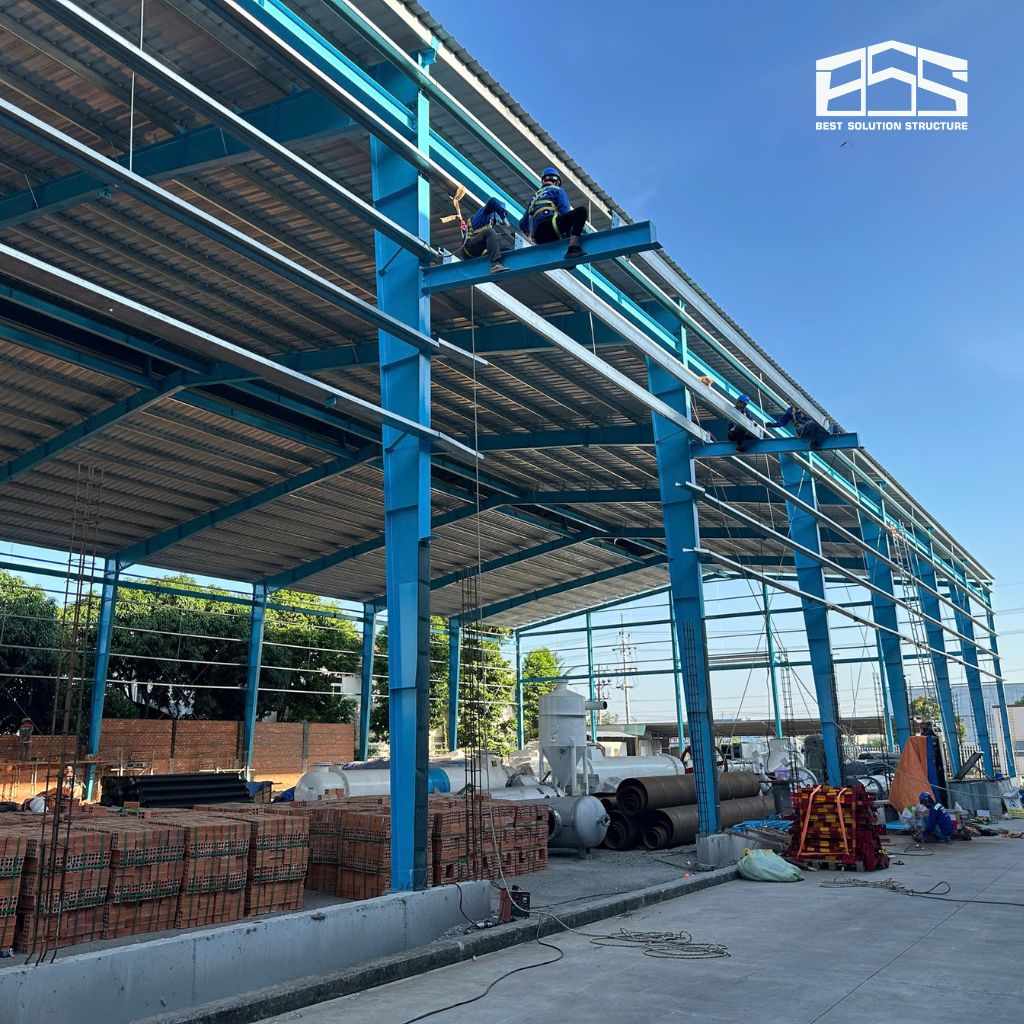
Steel stands out due to its mechanical and physical properties:
High tensile and compressive strength — Allows long spans and heavy loads with relatively light members.
Ductility — Steel can deform plastically without sudden failure, providing warning before collapse.
Elasticity — Returns to original shape after unloading (within elastic limit).
Uniformity — Consistent quality and predictable behavior under load.
Corrosion resistance (when properly coated or galvanized).
Fire resistance (with intumescent coatings or fireproofing).
Recyclability — Nearly 100% recyclable with no loss of quality.
These properties make steel ideal for both permanent and temporary structures, and it excels in seismic zones due to its energy dissipation capacity.
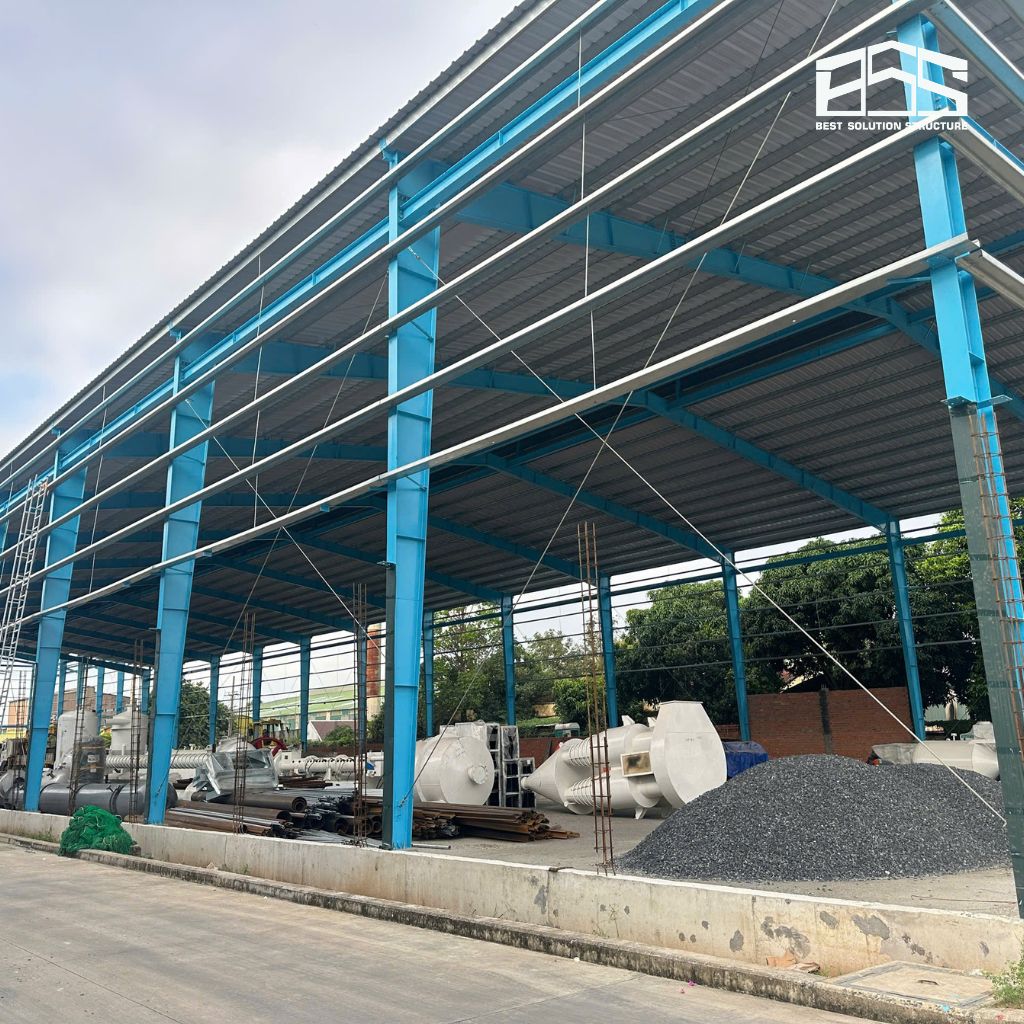
Steel structures are classified by assembly method, load transfer, or structural system. The main types include:
Frame Structures
Truss Structures
Grid Structures
Arch and Cable Structures
Pre-Engineered Metal Buildings (PEMB)
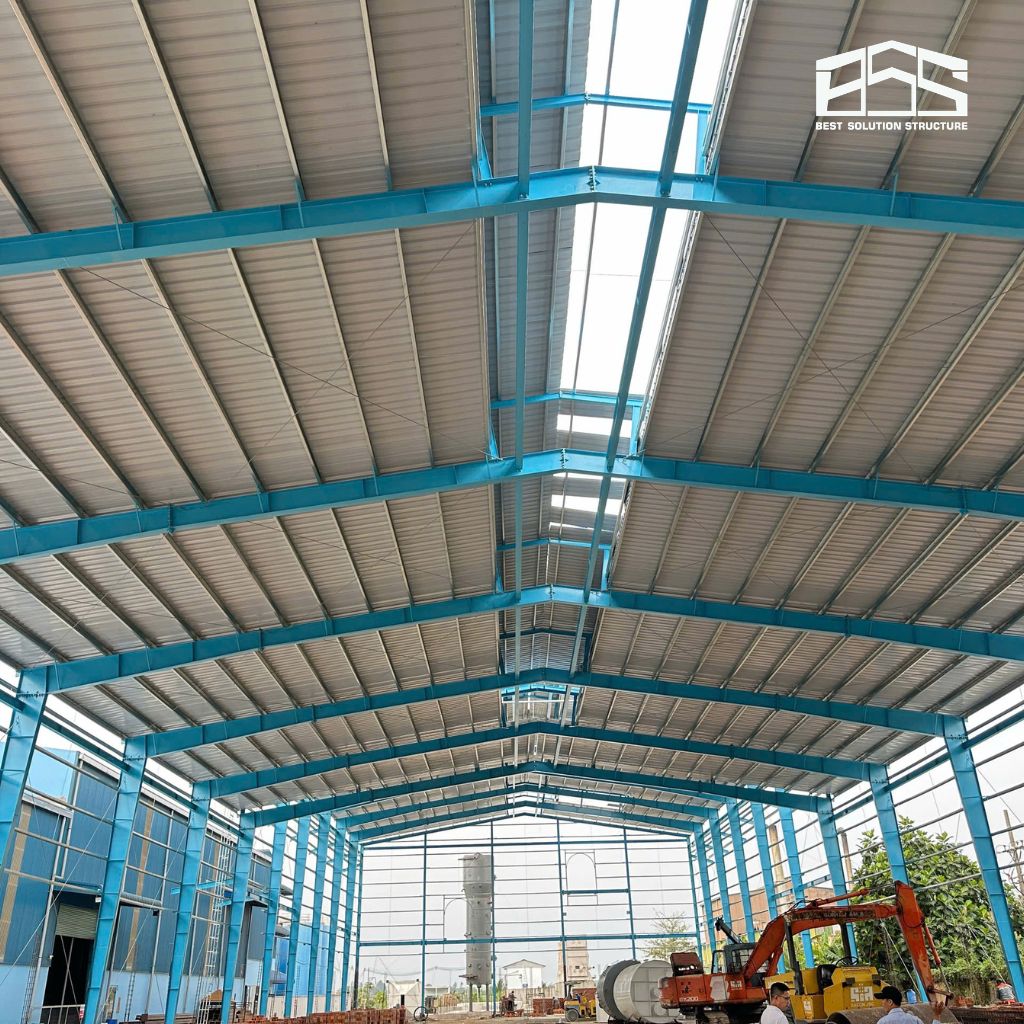
Steel offers numerous benefits over concrete, timber, or masonry:
Steel structures are ubiquitous across industries:
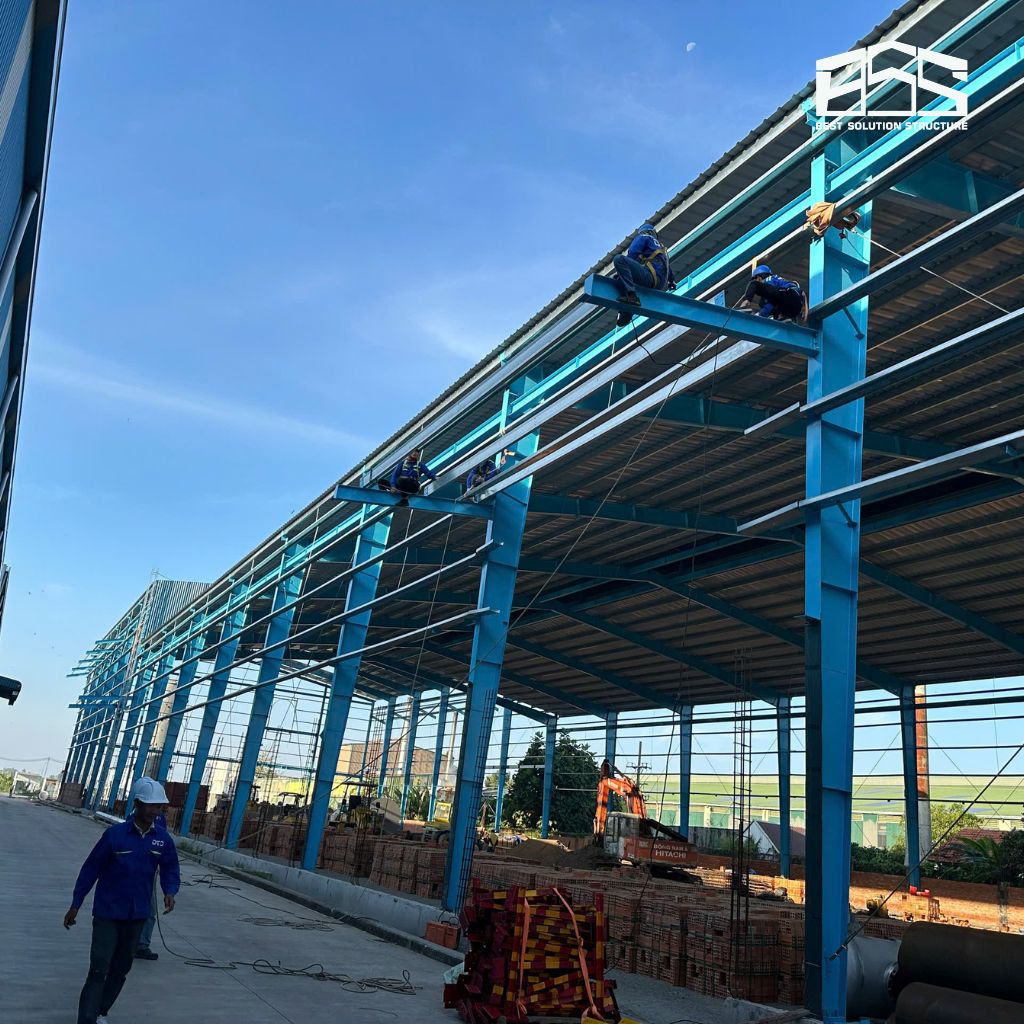
Steel structures combine engineering excellence with practical advantages—strength, speed, sustainability, and adaptability. As urbanization accelerates and sustainability demands rise, steel continues to dominate modern construction worldwide.
Whether you’re an architect, engineer, builder, or student, understanding the basics of steel structures is essential for designing safe, efficient, and innovative projects. From simple warehouses to iconic skyscrapers, steel remains the backbone of contemporary infrastructure.
If you’re planning a steel structure project, consult certified structural engineers and follow local codes (e.g., AISC standards in the U.S., Eurocode in Europe, or national codes in other regions) to ensure safety and performance.
Ready to explore steel design further? Share your thoughts or project ideas in the comments below!
