
Get Free Consultation!
We are ready to answer right now! Sign up for a free consultation.
I consent to the processing of personal data and agree with the user agreement and privacy policy
We are ready to answer right now! Sign up for a free consultation.
I consent to the processing of personal data and agree with the user agreement and privacy policy
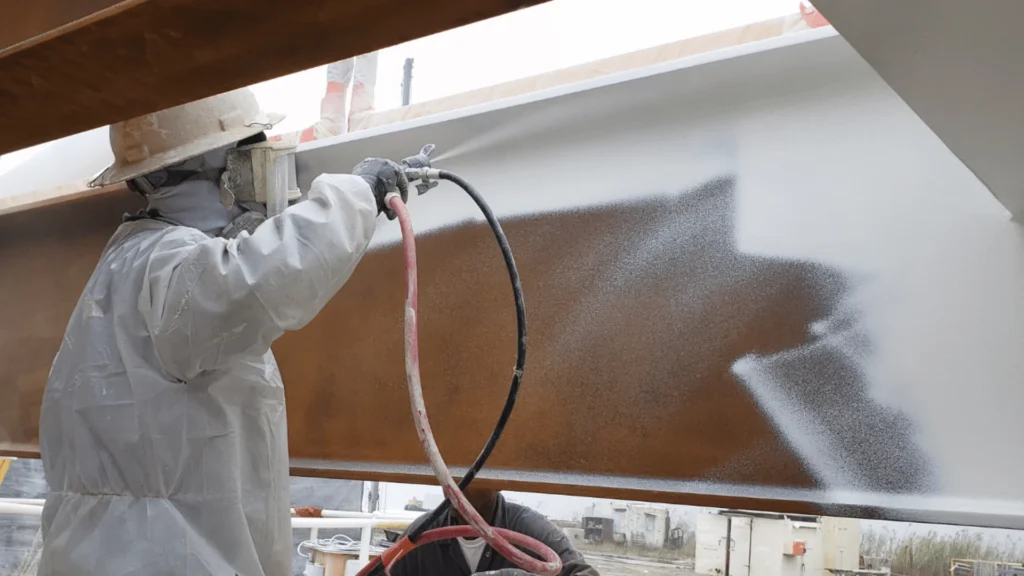
Rust and corrosion are among the most common threats to steel structures, causing structural weakening, safety hazards, and costly repairs. In environments exposed to moisture, salt, chemicals, or industrial pollutants, unprotected steel can corrode rapidly, leading to failures in bridges, buildings, warehouses, and industrial facilities. Fortunately, with proper planning, materials selection, and maintenance, you can significantly extend the lifespan of steel structures and prevent rust effectively.
This comprehensive guide covers proven methods to prevent rust and corrosion in steel structures, based on industry best practices from organizations like AASHTO, FHWA, and corrosion experts.
Steel corrodes when iron reacts with oxygen and water to form iron oxide (rust). Factors accelerating this include:
Preventing corrosion requires blocking these elements through design, materials, coatings, and ongoing care.
Selecting the right steel type is the foundation of rust prevention.
Pro Tip: For buried or high-exposure steel, incorporate extra thickness (corrosion allowance) in design.

Coatings create a barrier against moisture and oxygen—the most effective and widely used method.
Three-Coat Systems (Best Practice for Many Structures):
Powder Coating or Epoxy/Polyurea: Durable for industrial applications.
Metalizing (Thermal Spray): Sprays molten zinc/aluminum for thick, long-lasting protection.
Surface preparation is critical—blast to near-white metal (SSPC-SP 10) for optimal adhesion. Follow standards like ISO 12944 or NEPCOAT guidelines.
For buried, immersed, or high-risk structures, cathodic protection (CP) shifts steel to a non-corroding state.
Combine with coatings for “duplex” systems that can last decades.
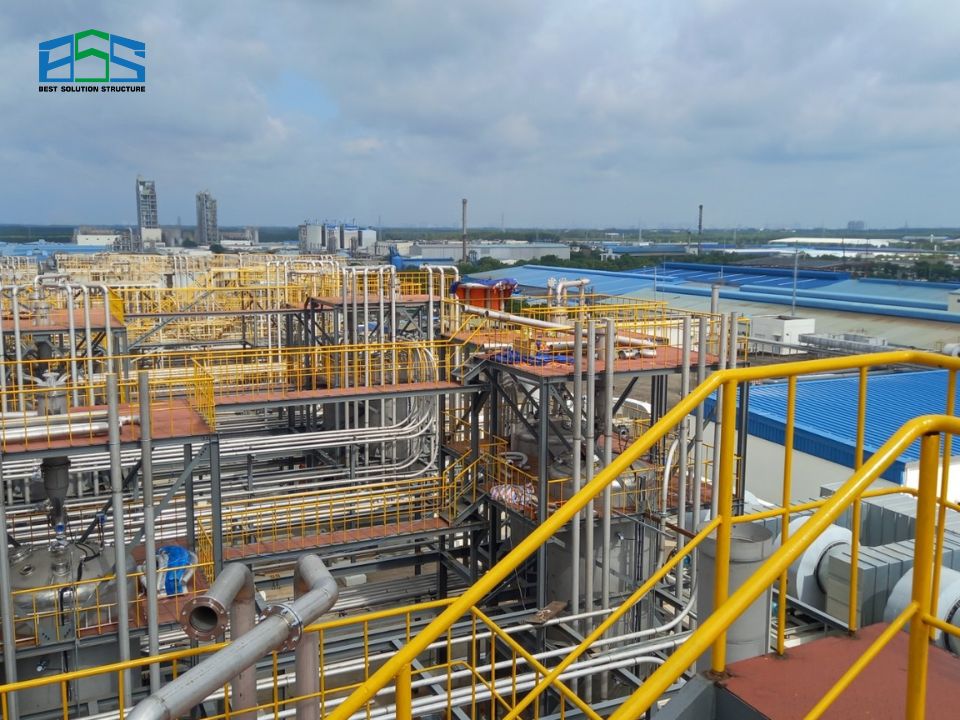
Good design prevents moisture accumulation.
In coastal or de-icing zones, elevate structures and use drip pans to avoid salt accumulation.
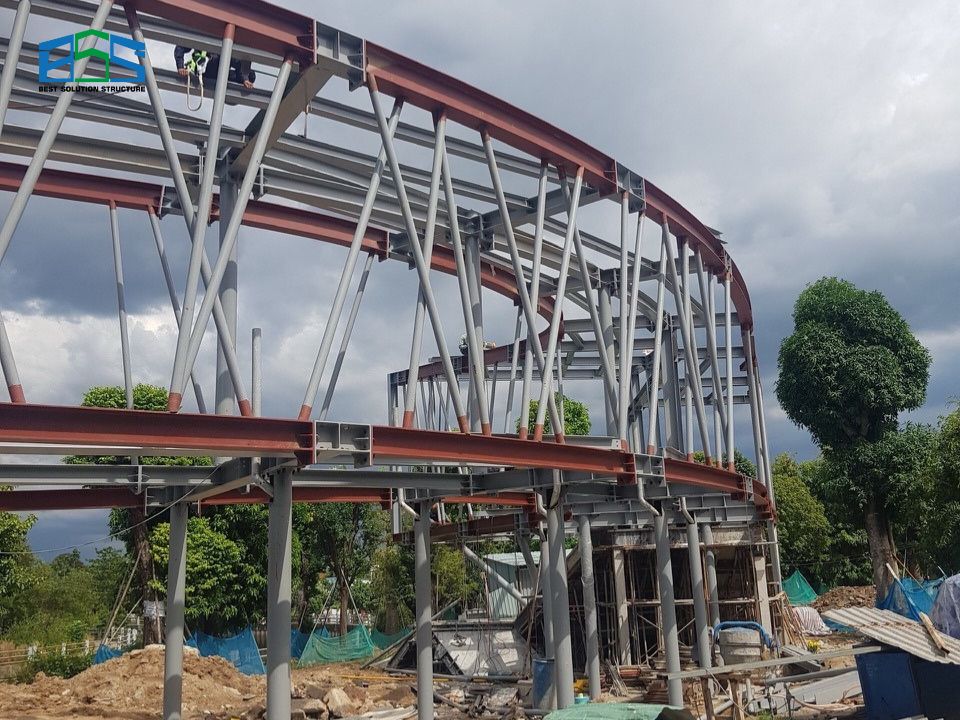
Prevention doesn’t end at construction—ongoing care is essential.
Early detection can save thousands in repairs and prevent catastrophic failure.
Conclusion: Invest in Prevention for Long-Term Savings
Preventing rust and corrosion in steel structures requires a multi-layered approach: corrosion-resistant materials, high-quality coatings, smart design, cathodic protection where needed, and diligent maintenance. Implementing these strategies can extend service life by decades, reduce lifecycle costs, and ensure safety.
If you’re planning or maintaining steel structures—whether bridges, industrial buildings, or commercial facilities—consult corrosion specialists or follow standards from AASHTO, NACE, or local DOT guidelines for tailored solutions.
By prioritizing rust prevention in steel structures today, you protect your investment for tomorrow. Have questions about specific environments or coatings? Share in the comments!
