
Get Free Consultation!
We are ready to answer right now! Sign up for a free consultation.
I consent to the processing of personal data and agree with the user agreement and privacy policy

We are ready to answer right now! Sign up for a free consultation.
I consent to the processing of personal data and agree with the user agreement and privacy policy

In recent years, pre-engineered steel buildings (PEBs) have experienced rapid growth across Southeast Asia. From industrial factories and logistics warehouses to commercial centers and agricultural facilities, steel structures are increasingly replacing traditional concrete construction. This trend is not accidental—it is driven by economic, climatic, and strategic factors unique to the region.
This article explores the key reasons why pre-engineered steel buildings are becoming the preferred construction solution in Southeast Asia.
Southeast Asia is one of the fastest-growing economic regions in the world. Countries such as Vietnam, Indonesia, Thailand, and the Philippines are attracting significant foreign direct investment (FDI), particularly in manufacturing, logistics, and industrial processing.
As multinational companies relocate factories and supply chains into the region, there is a strong demand for:
Pre-engineered steel buildings meet these requirements perfectly. Their modular design allows factories and warehouses to be built in a fraction of the time required for reinforced concrete structures, enabling investors to begin operations sooner and improve return on investment.
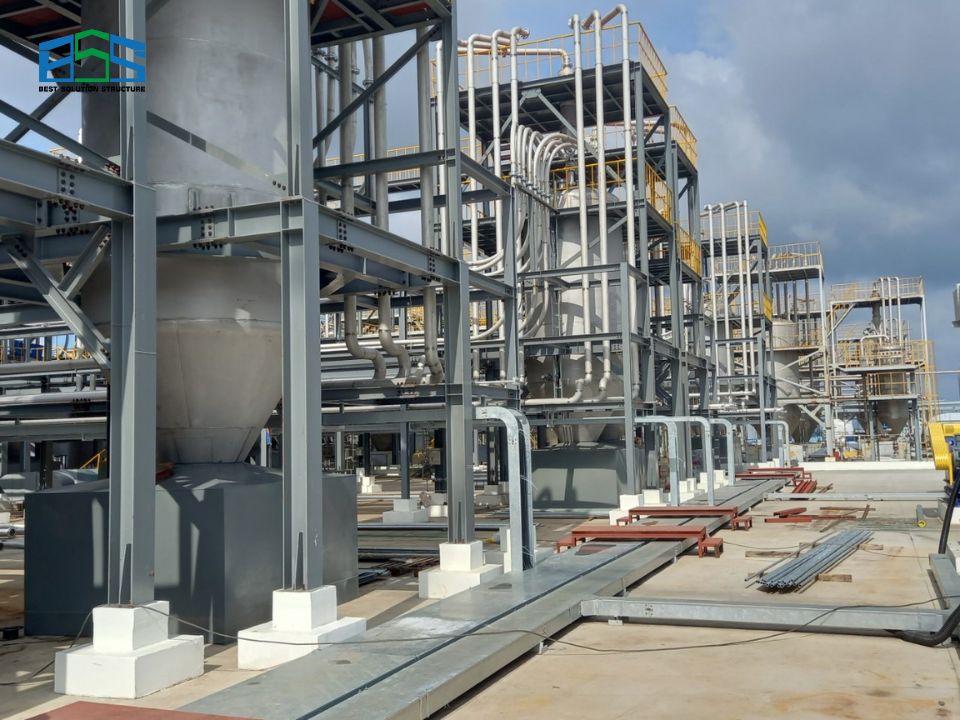
One of the biggest advantages of pre-engineered steel buildings is speed.
Unlike conventional construction, where most work is done on-site, steel buildings are:
This significantly reduces construction time—often by 30–50%. In Southeast Asia, where project delays can result in high opportunity costs, faster completion is a major competitive advantage.
For industrial investors, time saved means:
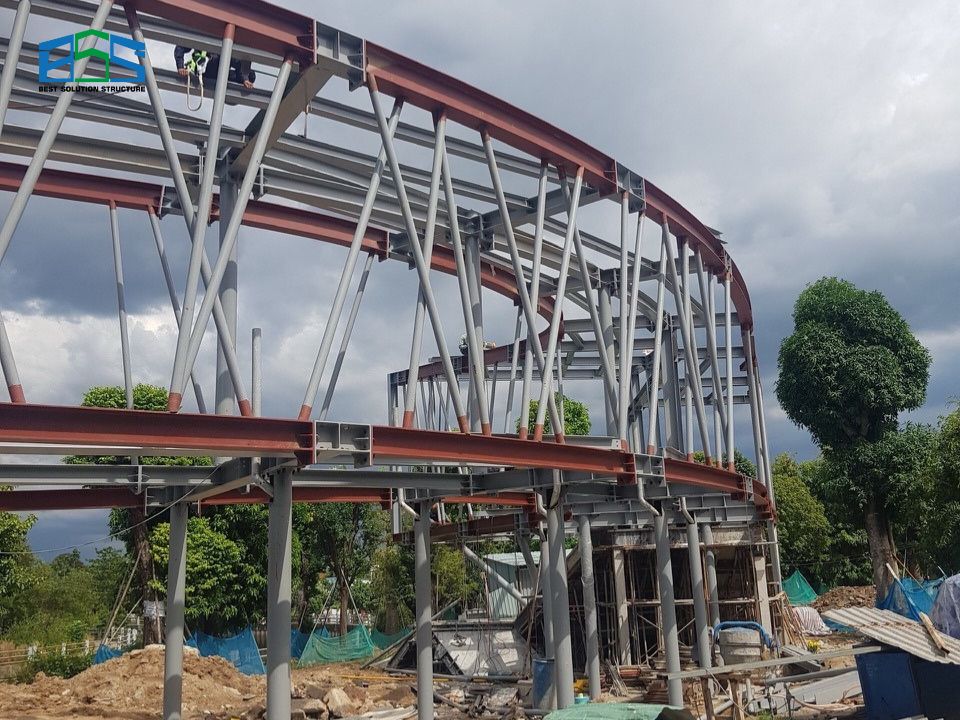
Construction costs are a critical concern across Southeast Asia. Developers and business owners often operate under tight budgets while still demanding durable and high-quality structures.
Pre-engineered steel buildings offer:
Overall, steel buildings typically cost 10–30% less than traditional concrete buildings, depending on design and scale. This cost efficiency makes them highly attractive for small and medium enterprises as well as large industrial developers.
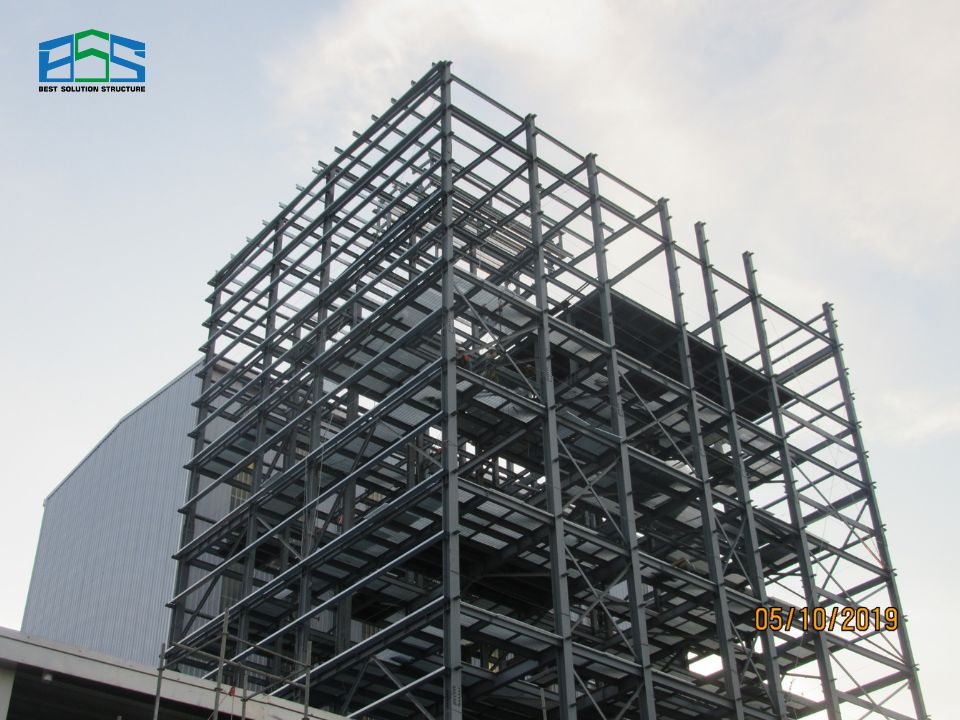
Southeast Asia’s tropical climate presents significant challenges, including:
Modern steel buildings are engineered to withstand these conditions. Advanced design solutions provide:
With proper design and maintenance, steel buildings can achieve long service life even in harsh tropical conditions.
Businesses in Southeast Asia often grow rapidly and require flexible infrastructure. One major advantage of pre-engineered steel buildings is expandability.
Steel structures allow:
This flexibility is especially valuable for manufacturers and logistics companies that expect future growth but want to minimize upfront investment.

Sustainability is becoming a key consideration in construction across Southeast Asia, driven by government policies and global ESG standards.
Pre-engineered steel buildings support sustainable development by:
As green building certifications and energy efficiency standards become more common, steel buildings offer a practical pathway toward environmentally responsible construction.
Southeast Asia is undergoing rapid urbanization and infrastructure development. New industrial zones, ports, airports, and logistics hubs require large-span structures with minimal internal columns.
Steel buildings are ideal for:
Their ability to cover large areas efficiently makes them the preferred choice for modern infrastructure projects.
In the past, steel structures were often perceived as expensive or technologically complex. Today, many Southeast Asian countries have developed strong local capabilities in:
This local expertise has reduced costs, improved quality, and increased confidence among investors, further accelerating adoption.
The rapid growth of pre-engineered steel buildings in Southeast Asia is the result of a perfect alignment between regional needs and structural advantages. Speed, cost efficiency, climate adaptability, scalability, and sustainability make steel buildings the optimal solution for modern construction in the region.
As Southeast Asia continues to industrialize and urbanize, pre-engineered steel buildings are expected to play an increasingly important role in shaping its economic and architectural landscape.
