Get Free Consultation!
We are ready to answer right now! Sign up for a free consultation.
I consent to the processing of personal data and agree with the user agreement and privacy policy
We are ready to answer right now! Sign up for a free consultation.
I consent to the processing of personal data and agree with the user agreement and privacy policy

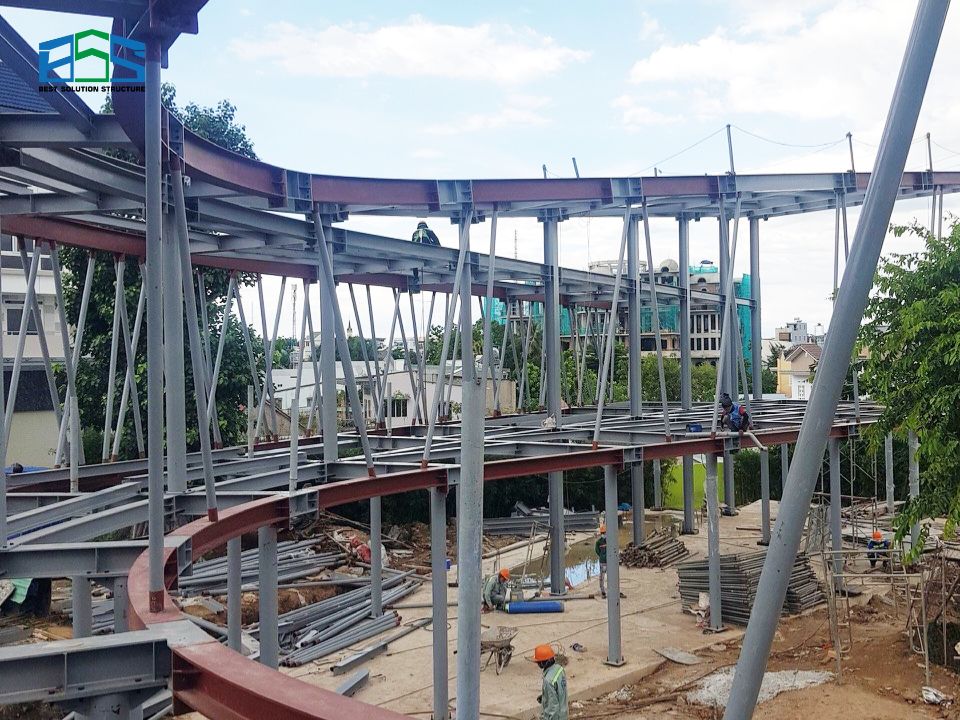
Steel buildings have become the preferred choice for modern factories across the world. From manufacturing plants and logistics hubs to processing facilities and industrial parks, steel structures provide unmatched strength, flexibility, speed, and cost efficiency. In a highly competitive global economy, factories need buildings that are not only strong but also adaptable, scalable, and economically sustainable. Steel buildings meet all these demands better than any other construction method.
Factories operate with heavy machinery, cranes, vibration, and continuous production cycles. Steel buildings are designed to handle extreme loads without cracking, warping, or losing strength. Unlike concrete structures, steel frames distribute weight evenly and can absorb shocks from moving equipment and seismic activity.
Steel is also highly resistant to fire, corrosion, termites, and weather when properly protected. This makes steel buildings ideal for factories that need long-term reliability and safety.

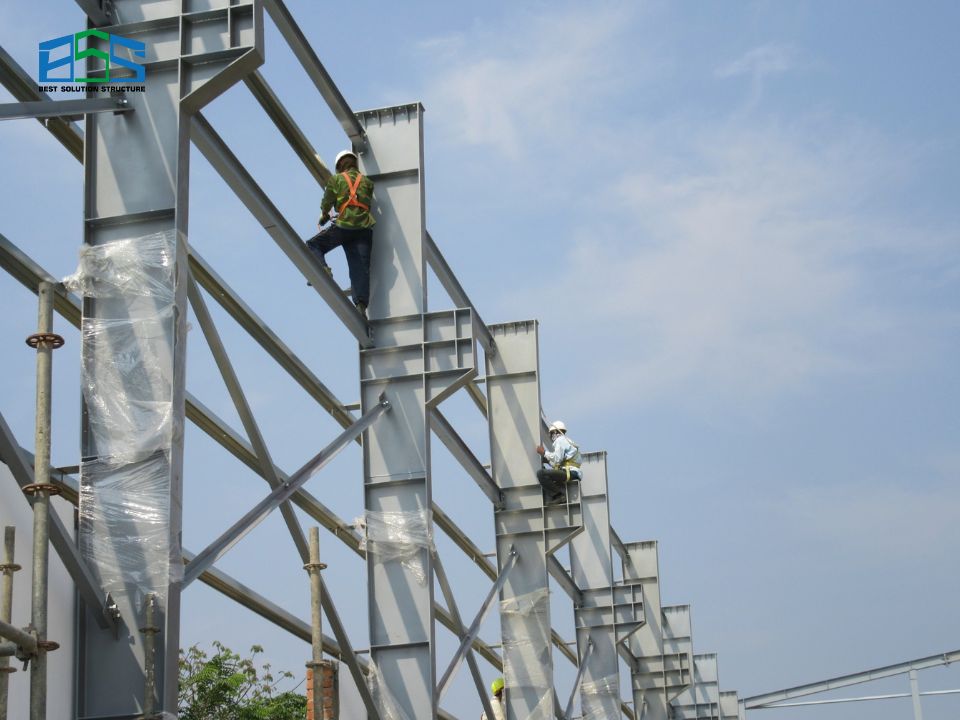
Time is money in manufacturing. Steel buildings are prefabricated in factories and assembled on site, which reduces construction time by 30–50% compared to traditional concrete buildings. This means factories can start operations sooner, generate revenue earlier, and reduce financing costs.
With steel construction, project delays due to weather or labor shortages are also minimized.
Steel structures allow wide-span designs without internal columns. This creates large, open floor areas that are perfect for production lines, material handling, forklifts, and automated systems.
Factories can arrange machines more efficiently, improve workflow, and maximize usable space.
Factories grow, upgrade machines, and change production lines. Steel buildings are designed to be easily expanded by adding new bays or extending existing structures. Walls and roofs can be removed and replaced without damaging the main frame.
This flexibility allows factories to adapt to business growth without rebuilding from scratch.
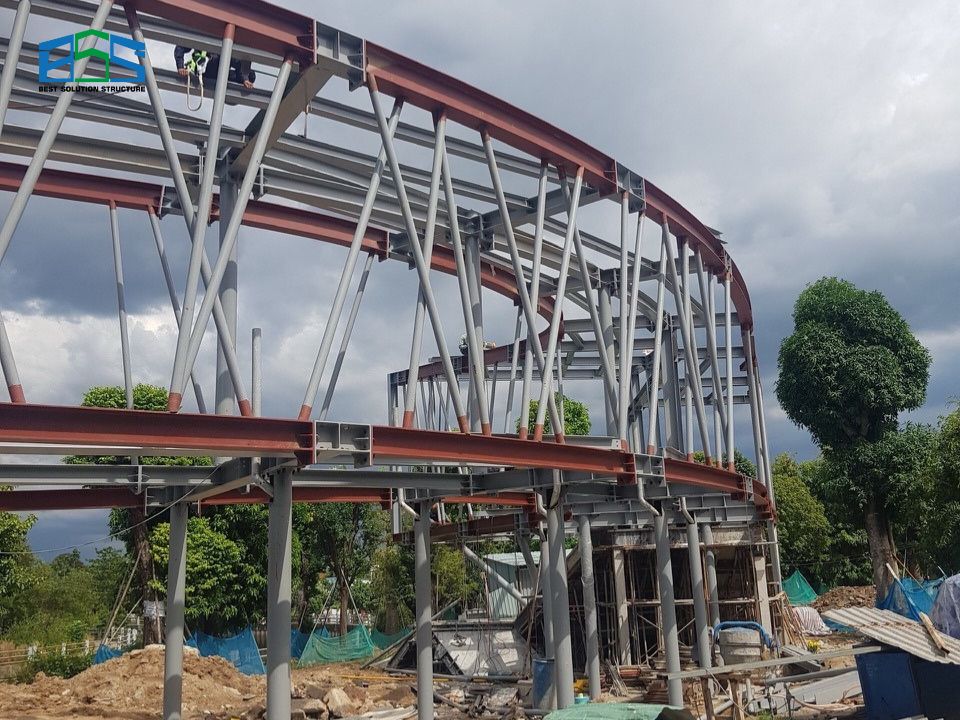
Although steel structures may appear more expensive initially, their total life-cycle cost is much lower. Savings come from:
Faster construction
Lower labor cost
Less foundation material
Reduced maintenance
Longer building lifespan
Steel buildings also have lower insurance and repair costs due to their durability and safety.
Steel buildings offer better fire protection, ventilation, and natural lighting. Large clear spans allow better airflow, while skylights and wall panels bring in natural light. This improves worker comfort, safety, and productivity.
Steel structures also meet international industrial safety standards, making them ideal for export-oriented factories.
Steel is 100% recyclable and can be reused many times without losing quality. Using steel reduces construction waste and environmental impact.
Steel buildings also support green technologies such as solar panels, insulation systems, and energy-efficient designs.
Steel buildings meet international standards and are widely used in industrial zones worldwide. They allow fast factory setup for foreign investors and multinational manufacturers.
This makes steel buildings perfect for Vietnam, Southeast Asia, and export-focused industrial developments.