Get Free Consultation!
We are ready to answer right now! Sign up for a free consultation.
I consent to the processing of personal data and agree with the user agreement and privacy policy
We are ready to answer right now! Sign up for a free consultation.
I consent to the processing of personal data and agree with the user agreement and privacy policy

Steel structure buildings have become one of the most important trends in modern construction. From factories and warehouses to commercial centers and high-rise buildings, steel structures are transforming the way people design, build, and use buildings. Thanks to their strength, flexibility, and cost efficiency, steel structures are now the preferred choice for industrial, commercial, and infrastructure projects around the world.
This article will explain what steel structures are, their advantages, applications, and why they are considered the future of construction.
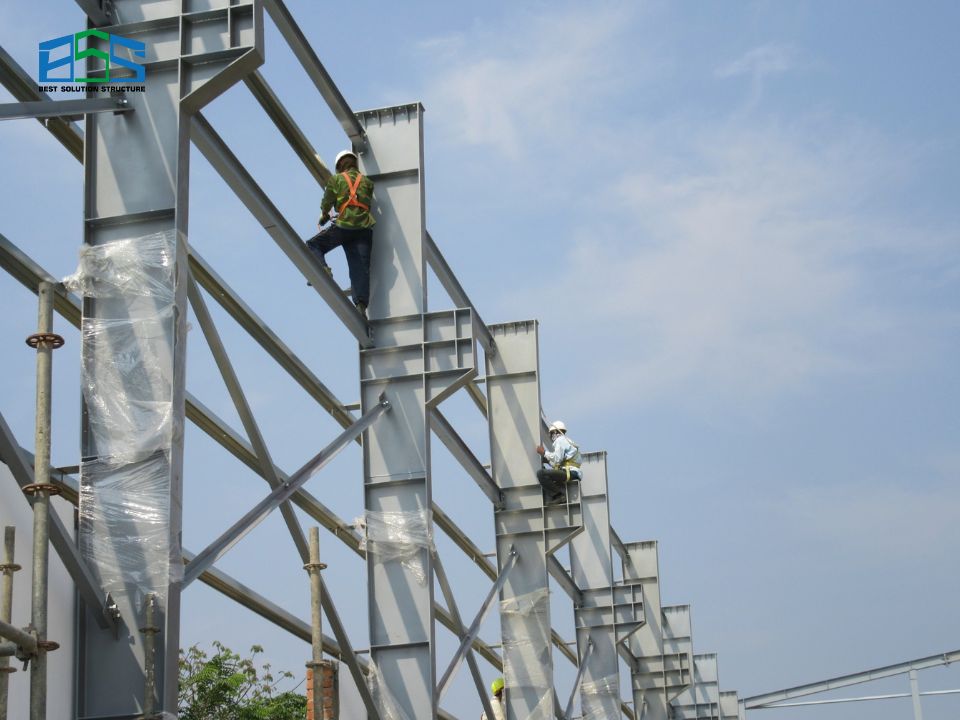
A steel structure is a building framework made primarily from structural steel components such as beams, columns, trusses, and plates. These components are fabricated in factories according to precise engineering designs and then assembled on-site.
Unlike traditional concrete or brick construction, steel structures rely on a steel skeleton to support the building’s load. Walls, roofs, and cladding are attached to this skeleton, allowing faster construction and greater design flexibility.
Steel structure systems are widely used in:
Steel has one of the highest strength-to-weight ratios among all building materials. This means steel structures can carry very heavy loads while remaining relatively light. As a result, foundations can be smaller, and buildings can be taller, wider, and stronger.
Steel is also resistant to earthquakes, strong winds, and heavy rain when properly designed. It does not crack or break like concrete, making it extremely reliable for long-term use.
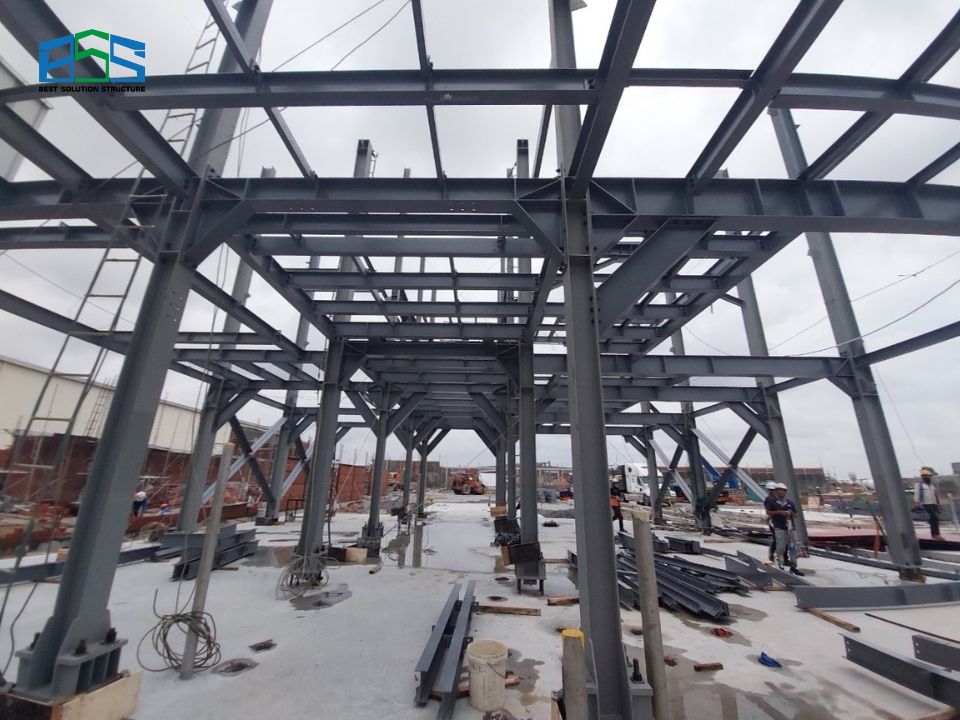
One of the biggest advantages of steel structures is construction speed. Steel components are prefabricated in factories and delivered ready for installation. On-site work becomes simple assembly instead of slow manual construction.
This reduces project timelines by 30–50% compared to traditional building methods. Faster completion means lower labor costs, reduced financing expenses, and quicker return on investment.
Although steel may appear more expensive at first, steel structure buildings are more cost-effective over their life cycle. Savings come from:
Steel structures also last longer and require fewer repairs, making them an excellent long-term investment.
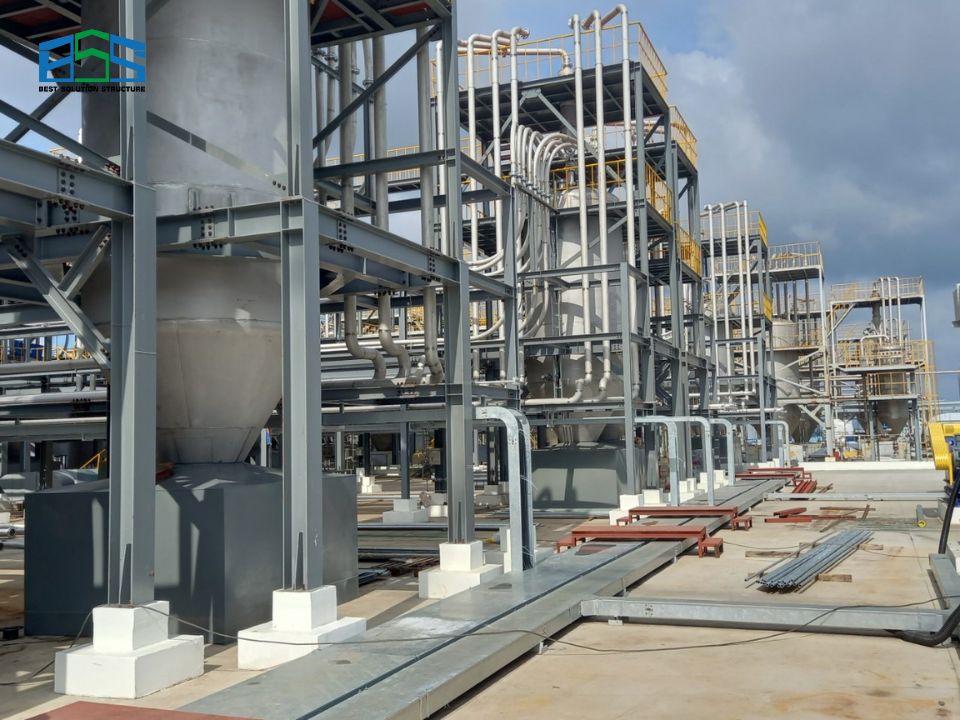
Steel allows architects and engineers to create wide open spaces without the need for many internal columns. This makes steel structures ideal for factories, warehouses, shopping centers, and exhibition halls.
Steel also supports modern architectural designs such as:
With steel, creativity is not limited by structural constraints.
Steel structures are widely used for factories, workshops, and production plants. They allow large open areas for machines, storage, and workflow optimization.
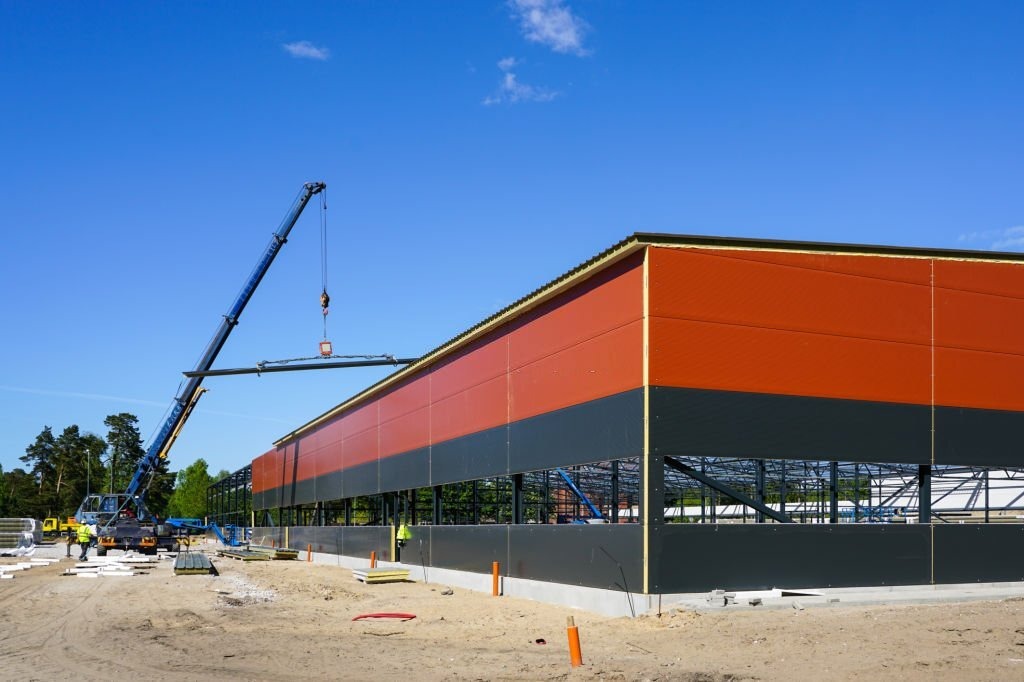
The logistics industry relies heavily on steel structures because they offer high ceilings, wide spans, and easy expansion. Steel buildings are perfect for storage, distribution centers, and cold storage facilities.
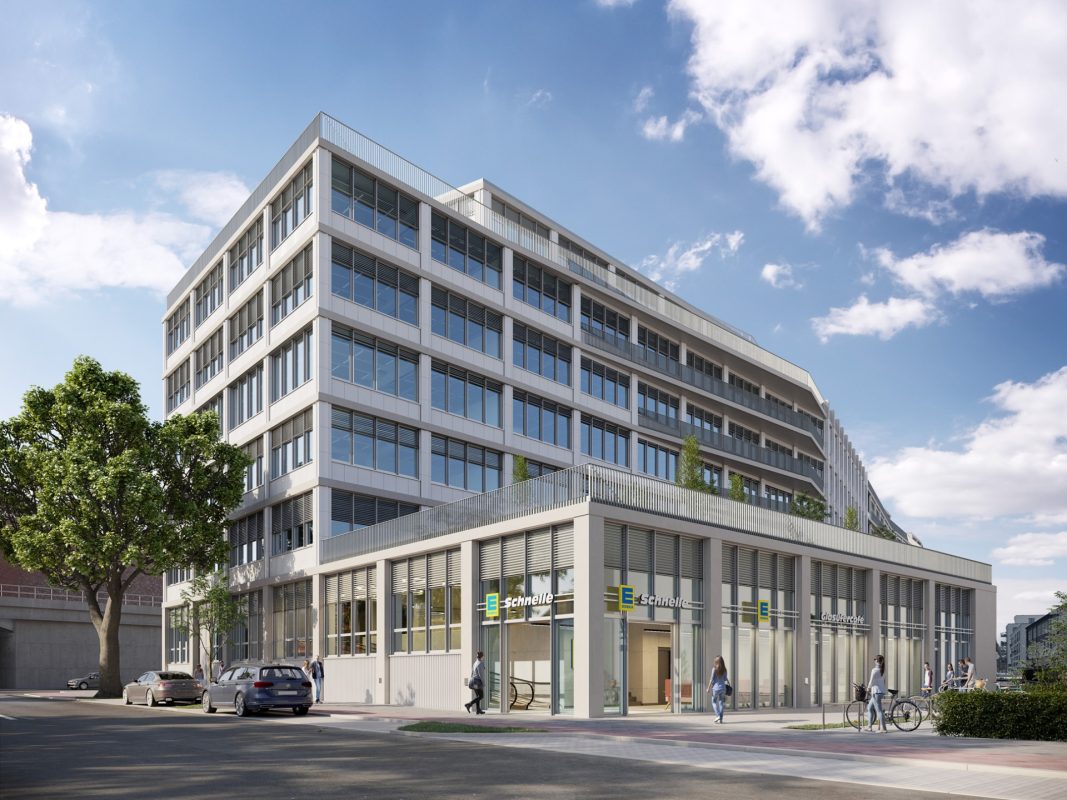
Shopping malls, office buildings, showrooms, and exhibition halls often use steel frames to achieve modern designs and large open spaces.
Steel is used for barns, greenhouses, livestock shelters, and crop storage facilities. These buildings are strong, weather-resistant, and cost-effective.
Steel structures are used in bridges, airports, railway stations, stadiums, and power plants, where strength and durability are critical.
Steel is one of the most environmentally friendly building materials. It is 100% recyclable and can be reused without losing strength or quality. Many steel structures today are made from recycled steel, reducing the need for new raw materials.
Steel construction also produces less waste because components are precisely manufactured in factories. This supports green building standards and reduces environmental impact.
In addition, steel buildings can easily integrate:

Steel structures offer excellent fire resistance when treated with fireproof coatings. They are also resistant to termites, mold, and moisture damage, unlike wood or concrete.
With proper maintenance and protective coatings, steel buildings can last for decades, even in harsh environments.
Steel structure buildings provide:
For businesses, this means faster operation, lower risk, and higher profitability.
Steel structure buildings are redefining the future of construction. Their strength, flexibility, speed, and sustainability make them the ideal choice for industrial, commercial, and infrastructure projects.
Whether you are building a factory, warehouse, commercial complex, or agricultural facility, steel structures provide unmatched value and performance. By choosing steel, you are investing in a modern, efficient, and sustainable construction solution.